The Complete Guide to Functional Mushrooms: Benefits, How to Use Them & Best Recipes
I started using functional mushrooms in 2013 when I was sick and desperate for answers.
My myelin was damaged, I was struggling with anxiety and depression, sitting in speech therapy trying to remember how to write. My immune system was shot. I felt like my body had completely betrayed me.
That’s when I discovered Lion’s Mane, Reishi, Cordyceps, Chaga, and Turkey Tail.
I’m not going to tell you these mushrooms “cured” me, because healing is never that simple. I changed my entire diet to plant-based, worked with therapists, and used multiple functional foods as part of my recovery. But functional mushrooms became a foundational part of that protocol, and I healed extraordinarily fast.
Within months, I graduated from speech therapy. My memory came back. My immune system rebuilt itself. I started walking, talking and writing again.
Were the mushrooms responsible? Partly, yes. But they worked together with everything else I was doing and that’s the honest truth.
Here’s what I’ve learned over the past decade of using functional mushrooms:
They’re not magic pills. They’re tools. And when you understand what each mushroom does and how to use it properly, they can support your brain health, immune function, energy levels, sleep quality, and overall wellness in really powerful ways.
This guide will teach you everything I wish I’d known when I started: what each mushroom does, how to use them, what the research actually says, and how to incorporate them into your daily routine – whether that’s smoothies, coffee, capsules, or cooking.
Let’s dig in.
What Are Functional Mushrooms?
Functional mushrooms (also called medicinal mushrooms) are varieties that go beyond basic nutrition – they contain bioactive compounds that support specific aspects of health.
Unlike the mushrooms you find in the grocery store (button mushrooms, portobellos), functional mushrooms have been used in traditional medicine for thousands of years, particularly in Chinese and Japanese healing practices.
What makes them “functional”?
They contain unique compounds like:
- Beta-glucans – support immune function
- Polysaccharides – anti-inflammatory and immune-modulating
- Triterpenes – antioxidant and adaptogenic properties
- Erinacines & Hericenones (Lion’s Mane) – support nerve growth factor
- Ergothioneine – powerful antioxidant
These compounds work with your body to support brain health, immune function, energy, sleep, stress response, and more.
The important part: Functional mushrooms aren’t quick fixes. They work best when used consistently over weeks or months, and they’re most effective as part of an overall healthy lifestyle.
The Big 5 Functional Mushrooms
LION’S MANE: THE BRAIN BOOSTER

What It Does:
Lion’s Mane contains compounds called hericenones and erinacines that support nerve growth factor (NGF) production – helping your brain create and maintain neural connections. Research shows it may support cognitive function, memory, mental clarity, and even myelin repair (the protective coating around nerve fibers).
Best For:
Mental clarity and focus, memory support, long-term brain health, reducing stress and anxiety, neurological recovery
How to Use It:
Morning smoothies, coffee blends, cooked as an actual mushroom (tastes like seafood!), or 500-1800mg daily in supplement form
My Experience:
I started using Lion’s Mane in 2013 after my myelin was badly damaged from being sick. Within months of using it daily (along with other healing protocols), I went from struggling in speech therapy to writing again and rebuilding my cognitive skills. Read my full Lion’s Mane recovery story →
What the Research Shows:
Recent studies show Lion’s Mane may support myelin formation, reduce neuroinflammation after brain injury, and improve stress, anxiety, and depression. Most mood benefits showed up after 4-8 weeks of consistent use. See the latest Lion’s Mane studies →
Recommended Products:
Host Defense Lion’s Mane | Four Sigmatic Lion’s Mane Coffee | Om Mushrooms Powder
Try It In: Crystal Clear Brain Boost Smoothie | All Lion’s Mane Recipes
REISHI: THE CALMING PROTECTOR
What It Does:
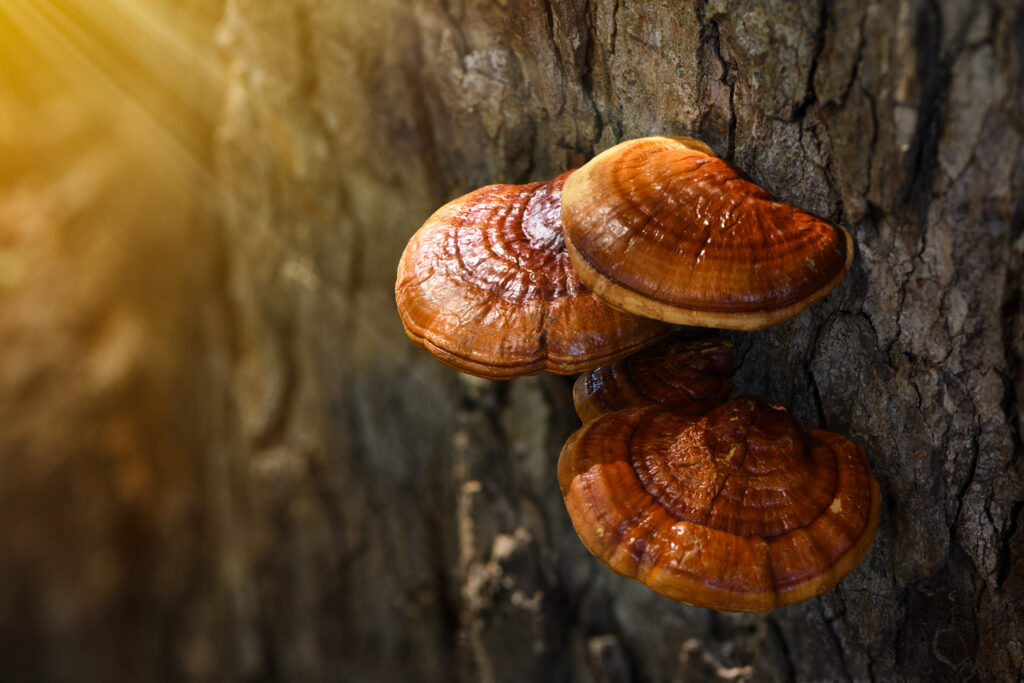
Reishi is known as the “mushroom of immortality” in traditional Chinese medicine. It supports immune function, promotes deep sleep, and helps reduce stress and anxiety. Recent research discovered it works through the gut-brain axis, affecting serotonin pathways to improve sleep quality.
Best For:
Better sleep, stress relief, immune support, anxiety reduction, overall calm and balance
How to Use It:
Evening tea or hot chocolate, tinctures, capsules, or powder in smoothies. Best taken in the evening for sleep support, but can be used anytime for immune benefits. 500-1500mg daily is typical.
My Experience:
I started using Reishi during my healing journey in 2013 when I was working to rebuild my immune system. I took it both as capsules and mixed the powder into drinks. Like with Lion’s Mane, I was using multiple mushrooms and eating completely plant-based, so I can’t say “this was 100% the Reishi,” but I healed fast, my immune system repaired itself, and I felt significantly better. Reishi was a key part of that foundation. Read my full Reishi story →
What the Research Shows:
A groundbreaking 2021 study found that Reishi promotes sleep through the gut microbiota, not by directly acting on the brain. It works through gut-brain pathways and serotonin production. Studies also show it may reduce fatigue, anxiety, and depression – especially in people dealing with serious health challenges. See the latest Reishi research →
Recommended Products:
Host Defense Reishi | Four Sigmatic Reishi Hot Cacao | Om Mushrooms Reishi Powder
Try It In: Cozy Blanket in a Glass Smoothie | All Reishi Recipes
CORDYCEPS: THE ENERGIZER
What It Does:
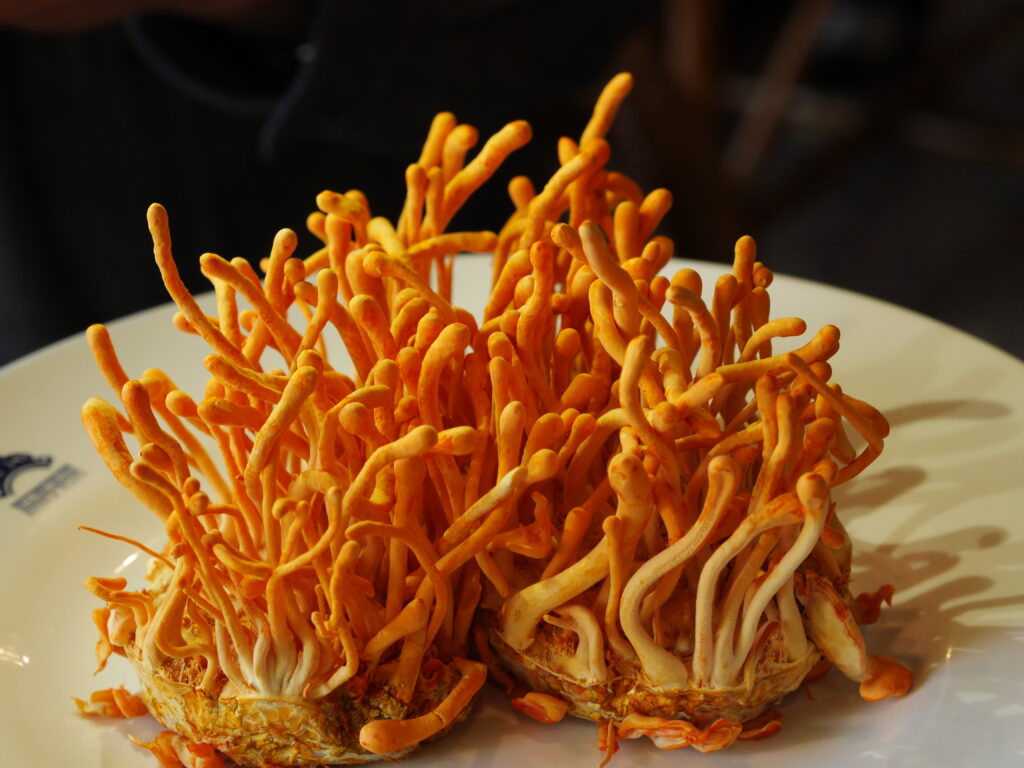
Cordyceps is known for boosting energy, stamina, and athletic performance. It helps your body use oxygen more efficiently and supports faster muscle recovery. Research also suggests it may have anti-cancer properties – workers at Cordyceps farms who ate the “imperfect” mushrooms showed lower cancer rates.
Best For:
Natural energy without jitters, athletic performance, endurance, muscle recovery, potential cancer prevention, oxygen utilization
How to Use It:
Morning smoothies, pre-workout drinks, coffee blends, or capsules. 1000-3000mg daily is common for energy and performance benefits. Best taken in the morning or before physical activity.
My Experience:
I discovered Cordyceps around 2013 after reading a study about workers at Cordyceps farms having lower cancer rates because they ate the mushrooms that weren’t perfect enough to sell. That got my attention – I was focused on healing and cancer prevention was part of that. I used it both for energy and as a preventive measure, mostly in powder form in smoothies with some capsules mixed in. Like everything else I was doing at the time, it was part of my overall healing protocol, so I can’t say exactly what Cordyceps alone did, but I definitely felt more energized. Read my full Cordyceps story →
What the Research Shows:
A breakthrough 2024 study found that Cordyceps speeds muscle recovery by recruiting stem cells 21 hours faster than normal (3 hours vs. 24 hours). Other studies show improvements in VO2max, endurance, and oxygen saturation. Interestingly, fresh/live Cordyceps appears more effective than dried powder in some research. See the latest Cordyceps research →
Recommended Products:
Host Defense Cordyceps | Four Sigmatic Cordyceps Coffee | Om Mushrooms Cordyceps Powder
Try It In: Disco Ball Energy Smoothie | All Cordyceps Recipes
CHAGA: THE ANTIOXIDANT POWERHOUSE
What It Does:
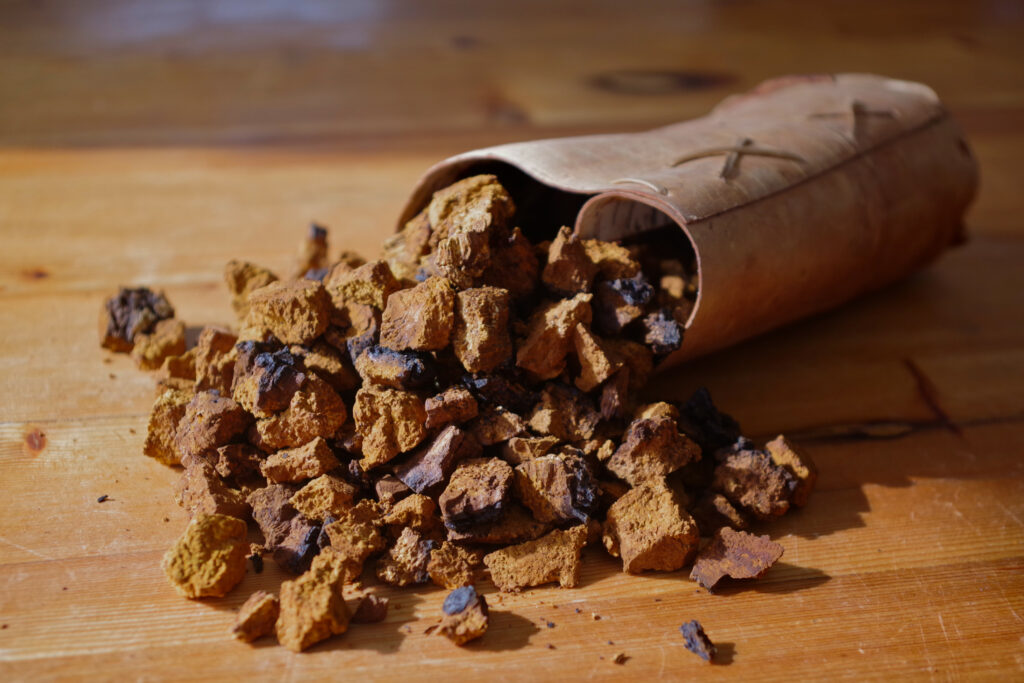
Chaga is one of the most antioxidant-rich foods on the planet. It supports immune function, promotes healthy skin, and may help protect against cellular damage and aging. Known as the “King of Mushrooms,” it’s loaded with beta-glucans, polyphenols, and triterpenes.
Best For:
Skin health, antioxidant support, immune function, anti-aging, cellular protection, inflammation reduction
How to Use It:
Chaga lattes (chagaccinos!), tea, tinctures, or powder in smoothies. Has a mild, slightly earthy, coffee-like flavor. Can be enjoyed with or without caffeine. 1000-2000mg daily is typical.
My Experience:
I discovered Chaga in 2013 when I had a chagaccino at a cafe and fell in love with it. When I read that it was incredible for skin health, I was sold – I started making my own at home. I use it in powder form and also keep a tincture on hand. My chagaccino blend is one of my favorites, and I often make it caffeine-free. Like everything else during my healing journey, Chaga was part of the bigger picture, so I can’t say “this specific thing came from Chaga,” but my skin definitely improved and I felt better overall. Read my full Chaga story →
What the Research Shows:
A comprehensive 2025 review highlights Chaga’s beta-glucans, antioxidants, polyphenols, and triterpenes. Research shows potential anticancer properties, antioxidant effects, and benefits for cellular energy (especially when combined with CoQ10 and alpha-lipoic acid). Studies also show Chaga may help suppress cancer cell metabolism. See the latest Chaga research →
Recommended Products:
Host Defense Chaga | Four Sigmatic Chaga Elixir | Om Mushrooms Chaga Powder
Try It In: Chagaccino Recipe | All Chaga Recipes
TURKEY TAIL: THE GUT GUARDIAN

What It Does:
Turkey Tail is a powerhouse for gut health and immune support. It’s one of the most researched medicinal mushrooms, particularly for its role in supporting the microbiome and immune system. Rich in polysaccharide-K (PSK) and polysaccharide-peptide (PSP), it’s even used alongside cancer treatments in some countries.
Best For:
Gut health, microbiome support, immune function, digestive balance, recovery support
How to Use It:
Powder in smoothies or soups, tinctures, capsules, or tea. Has a mild, earthy flavor. 1000-3000mg daily is common for immune and gut support.
My Experience:
Turkey Tail was part of my 2013 healing protocol when I was rebuilding my microbiome and immune system. I used it both as a powder and as a tincture, knowing that gut health was foundational to everything else I was working on. Like all the mushrooms I used during that time, I can’t isolate exactly what Turkey Tail did versus the whole protocol, but my gut health improved significantly and my immune system came back strong. Read my full Turkey Tail story →
What the Research Shows:
Turkey Tail is one of the most extensively studied medicinal mushrooms, particularly for immune support and gut health. Research shows its polysaccharides support beneficial gut bacteria and strengthen immune function. It’s also been studied extensively in oncology settings for supporting patients during treatment. See the latest Turkey Tail research →
Recommended Products:
Host Defense Turkey Tail | Om Mushrooms Turkey Tail | Turkey Tail Tincture
Try It In: Immune Support Smoothie | All Turkey Tail Recipes
How to Take Functional Mushrooms

There are several ways to incorporate functional mushrooms into your routine. The best method depends on your lifestyle, preferences, and which mushroom you’re using.
Powders
The most versatile option. Add to smoothies, coffee, tea, hot chocolate, soups, or baked goods.
- Pros: Affordable, flexible, easy to mix into food/drinks
- Cons: Can have earthy taste, requires measuring
- Best for: Daily smoothies, lattes, cooking
Capsules
Pre-measured doses in convenient pill form.
- Pros: No taste, exact dosing, travel-friendly, no prep needed
- Cons: More expensive per serving, can’t mix into recipes
- Best for: People who don’t like the taste, busy schedules, traveling
Tinctures (Liquid Extracts)
Concentrated liquid extracts, usually alcohol-based.
- Pros: Fast absorption, easy to add to drinks, long shelf life
- Cons: Can be expensive, alcohol taste (unless alcohol-free version)
- Best for: Quick dosing, adding to water/tea, precise control
Coffee & Tea Blends
Pre-mixed mushroom coffee or tea products.
- Pros: Convenient, masks mushroom flavor, ritual-friendly
- Cons: Less control over dosage, sometimes contains additives
- Best for: Morning routine, replacing regular coffee
Dual Extracts
Both water and alcohol extraction for maximum bioavailability.
- Pros: Most potent, captures water-soluble AND alcohol-soluble compounds
- Cons: Most expensive
- Best for: Therapeutic use, maximum benefits
Whole Mushrooms (Fresh or Dried)
Cooking with actual mushrooms (Lion’s Mane, Shiitake, Maitake are easiest to find fresh).
- Pros: Food-based, delicious, whole-food nutrition
- Cons: Harder to find, less concentrated compounds than extracts
- Best for: Culinary use, whole-food approach
Gummies
Mushroom-infused gummy supplements.
- Pros: Tasty, easy to take, kid-friendly
- Cons: Often lower potency, added sugars, more expensive
- Best for: People who struggle with pills or don’t like taste
Broths & Soups
Simmering dried mushrooms or powders into bone broth or vegetable broth.
- Pros: Nourishing, easy to digest, combines with other healing foods
- Cons: Time-consuming, not portable
- Best for: Gut healing, immune support, warming comfort
Which Form Is Best?
For convenience: Capsules or coffee blends
For versatility: Powders
For potency: Dual extracts or tinctures
For whole-food approach: Fresh or dried whole mushrooms
For taste-sensitive people: Capsules or gummies
My recommendation: Start with powder or capsules to figure out which mushrooms work for you, then experiment with other forms based on your lifestyle.
Best Ways to Use Functional Mushrooms
In Smoothies
My favorite way to use mushroom powders. The other ingredients mask the earthy taste, and you get a nutritional powerhouse in one glass.
Best mushrooms for smoothies: Lion’s Mane (morning focus), Cordyceps (pre-workout energy), Reishi (evening calm), Chaga (anytime antioxidants), Turkey Tail (gut support)
Pro tip: Start with 1/2 teaspoon and work up to 1-2 teaspoons per smoothie. Blend well with frozen fruit, plant milk, and other superfoods.
In Coffee or Tea
Mushroom coffee blends are having a moment, and for good reason – the coffee flavor covers the mushroom taste completely.
Best mushrooms for coffee: Lion’s Mane (morning clarity), Cordyceps (energy boost), Chaga (antioxidant boost)
Best mushrooms for tea: Reishi (evening wind-down), Chaga (anytime), Turkey Tail (immune support)
Pro tip: If you’re making your own blend, add 1/2-1 teaspoon of mushroom powder to your regular coffee or tea.
In Cooking
Whole fresh mushrooms (Lion’s Mane, Shiitake, Maitake) can be sautéed, roasted, or added to soups and stir-fries. Powders can be stirred into broths, sauces, and soups.
Best for cooking: Lion’s Mane (tastes like crab or lobster), Shiitake, Maitake
Pro tip: Cook Lion’s Mane in butter or oil until the edges are golden and crispy – it’s absolutely delicious.
In Hot Chocolate or Lattes
Chaga and Reishi both work beautifully in creamy, warming drinks.
Best mushrooms for lattes: Chaga (chagaccino), Reishi (relaxing hot chocolate), blends
Pro tip: My chagaccino is caffeine-free, made with Chaga powder, plant milk, a touch of maple syrup, and a sprinkle of cinnamon.
As Supplements
If you don’t want to taste mushrooms at all, capsules and tinctures are your best bet.
Best for beginners: Start with capsules to figure out which mushrooms work for you, then switch to powders if you want to save money.
Pro tip: Take tinctures under the tongue for faster absorption, or add to water or tea.
Frequently Asked Questions
Can I take multiple mushrooms at once?
Yes! Many people (including me) use several functional mushrooms in combination. In fact, mushroom blends often work synergistically. Just start with lower doses of each and work your way up.
How long does it take to feel the effects?
It depends on the mushroom and what you’re using it for. Some people notice energy from Cordyceps within hours. Cognitive benefits from Lion’s Mane often take 2-4 weeks. Sleep improvements from Reishi can take 4-8 weeks. Consistency is key.
Are there any side effects?
Functional mushrooms are generally very safe. Some people experience mild digestive upset when starting, especially at high doses. Start low and increase gradually. If you’re on medication or have a medical condition, check with your healthcare provider first.
Do I need to cycle functional mushrooms?
Not necessarily. Most people take them daily long-term without issues. Some practitioners recommend cycling (5 days on, 2 days off, or 3 weeks on, 1 week off) but there’s no strong evidence this is necessary.
Can I take them if I’m pregnant or breastfeeding?
Most research hasn’t been done on pregnant or breastfeeding people, so it’s best to avoid functional mushroom supplements during this time unless your healthcare provider approves. Eating culinary mushrooms (like Shiitake) in food is generally considered safe.
What’s the difference between mycelium and fruiting body?
The fruiting body is the mushroom you see above ground. The mycelium is the root-like structure underground. Both contain beneficial compounds, but in different concentrations. Some products use fruiting body only, some use mycelium, some use both. Look for products that specify what they contain.
Do I need extracts or is powder fine?
Extracts are more concentrated and often more bioavailable (easier for your body to absorb). However, quality powders from whole mushrooms or extracts both work. Look for products that specify beta-glucan content or extraction ratios (like 8:1 or 10:1).
Can kids take functional mushrooms?
In food form (like cooking with fresh Lion’s Mane), yes. For supplements, it’s best to check with a pediatrician first. Dosing for children would be much lower than for adults.
Will mushrooms interact with my medications?
Functional mushrooms can interact with certain medications, particularly blood thinners, immunosuppressants, and diabetes medications. Always check with your healthcare provider if you’re on prescription medications.
Where should I buy functional mushroom products?
Look for reputable brands that:
- Test for heavy metals and contaminants
- Specify whether they use fruiting body, mycelium, or both
- List beta-glucan content
- Are organic (mushrooms absorb everything from their environment)
- Provide transparent sourcing information
My Favorite Functional Mushroom Products
I’ve tried dozens of mushroom products over the years. Here are the ones I actually use and recommend:
Best Overall Brand
Host Defense – Founded by Paul Stamets, one of the world’s leading mycologists. Organic, rigorously tested, great quality across all their mushrooms.
Shop Host Defense →
Best for Coffee Lovers
Four Sigmatic – Their mushroom coffee blends are delicious and convenient. Great for people new to functional mushrooms.
Shop Four Sigmatic →
Best Budget Option
Om Mushrooms – Affordable, organic, good quality. Great if you’re using mushrooms daily and want to keep costs down.
Shop Om Mushrooms →
Best for Serious Users
Real Mushrooms – High extract ratios, verified beta-glucan content, fruiting body only (no fillers). More expensive but very potent.
Shop Real Mushrooms →
Best Blender for Smoothies
Vitamix Ascent X5 – If you’re making mushroom smoothies daily, invest in a high-powered blender. It makes all the difference.
Shop Vitamix →
Try These Mushroom Recipes
Smoothies
- Crystal Clear Brain Boost (Lion’s Mane)
- Disco Ball Energy (Cordyceps)
- Cozy Blanket in a Glass (Reishi)
- Lit from Within Green Goddess (Chaga)
- Immune Support Smoothie (Turkey Tail)
Drinks
Cooking
Get All My Recipes
Download The Mushroom Smoothie Playbook →
11 functional mushroom recipes organized by benefit (energy, focus, calm, immune support) with complete educational breakdowns of what each ingredient does.
Final Thoughts
Functional mushrooms have been part of my daily routine for over a decade now. They’re not a cure-all, and they’re not a replacement for a healthy lifestyle – but they’ve been powerful tools in my healing journey and my ongoing wellness practice.
Here’s what I want you to remember:
Start small. Pick one mushroom that aligns with your biggest need right now. Use it consistently for 4-8 weeks before deciding if it’s working.
Be patient. These aren’t like caffeine where you feel it instantly. The benefits build over time.
Be honest with yourself. If you’re using mushrooms but still eating terribly, not sleeping, and chronically stressed, they can only do so much. They work best as part of a bigger picture.
Listen to your body. What works for me might not work for you. Pay attention to how you feel and adjust accordingly.
And most importantly: This is a tool, not a trend. Functional mushrooms have been used for thousands of years because they work – when used properly, consistently, and as part of a holistic approach to health.
If you want to dive deeper into my personal stories with each mushroom, check out the individual posts linked throughout this guide. And if you want to learn more about the latest research, I break down the newest studies in my blog.
Welcome to the world of functional mushrooms. I’m glad you’re here.
About Aimee
I’m a Cornell-certified plant-based nutrition specialist, professional chef, and the founder of Vegezy. I’ve been using functional mushrooms since 2013 as part of my healing journey, and I’m passionate about helping others discover how food can transform their health. I’m also the coordinator of Asheville’s first Vegan Chef Challenge and the author of the upcoming book “How to Stay Vegan After Veganuary.”